 |
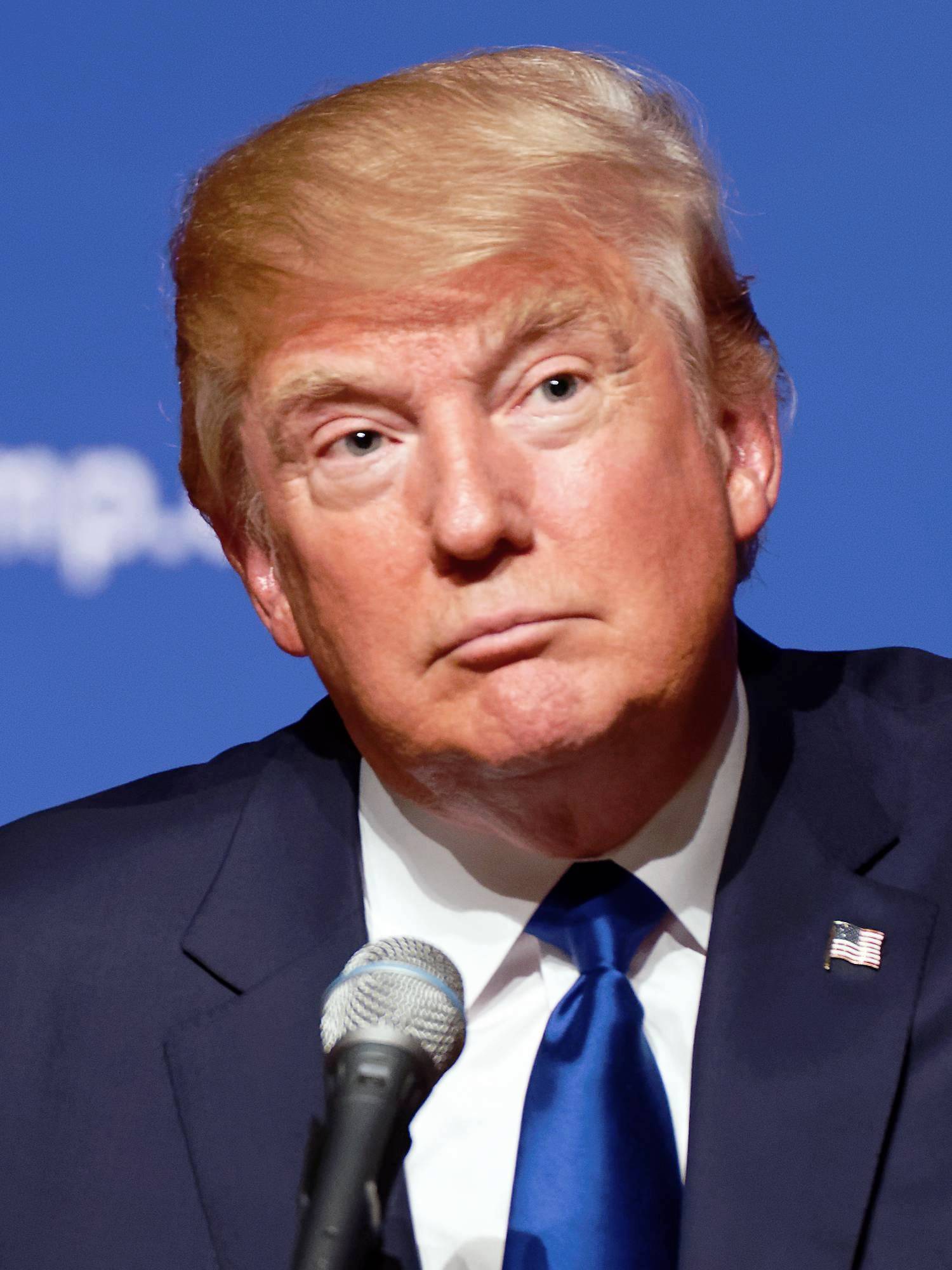
| (Michael Vadon/Wikimedia) |
After Donald Trump’s sweep of the Northeast last night, there is a feeling of inevitability in many quarters. Trump won Connecticut, Delaware, Maryland, Pennsylvania and Rhode Island, all with more than 50 percent of the vote. The big question now is: Can Donald Trump get to 1,237 delegates? And a second question is, with Trump winning big victories and racking up delegates, why does he continue to call the system rigged?
After the April 26 primaries, the most recent tallies show Trump with 950 delegates. At this point, Ted Cruz and John Kasich are mathematically eliminated from winning the 1,237 delegates needed to be nominated on the first ballot and can only hope to deny Trump a victory.
There are 13 primaries and 622 delegates remaining. At first glance, it seems that Trump’s road to the nomination is easy one. He only needs to win 46 percent of remaining delegates. In reality, due to the structure of the Republican primary, it might be more difficult that it seems. Several of the primaries are winner-take-all and Trump will not win all of these.
To analyze Trump’s chances, we’ll assume that he takes an average of 45 percent of proportional delegates and examine the probable outcomes of winner-take-all states. Forty-five percent is not an unreasonable number in light of Trump’s past performance and the fact that the race is down to only three candidates. It is also in line with current national polls.
The next prize is Indiana on May 3. Indiana is a winner-take-all state with 57 delegates, approximately 20 percent of what Trump needs. Polling shows that the race in Indiana is close. Trump leads by single digits and the deal between Cruz and Kasich may keep Trump from winning. Trump currently needs 287 delegates to clinch the nomination. If Trump wins Indiana, the number will reduced to 230.
On May 10, Nebraska and West Virginia hold primaries. Nebraska is winner-take-all with 36 delegates and West Virginia is proportional with 34 delegates. There is no recent polling in either state, but Nebraska would probably lean toward Cruz and West Virginia toward Trump. Assuming 15 delegates for Trump from West Virginia, he would need 215 more.
On Tuesday, May 17, Oregon holds its primary. The only poll available is a year old and does not show Trump in the race. Cruz, however, has performed well in other western states. The state’s 28 delegates will be award proportionally. If Trump keeps his ratio of 45 percent, he would win about 13 delegates and need 202 more.
Washington’s primary is on May 24. The state’s 44 delegates will be awarded proportionally. There is no polling available in Washington. Forty-five percent of the delegates would net Trump about 20 and leave him needing an additional 182.
June 7 is the last multistate primary day. The biggest prize is California with 172 delegates to be awarded proportionally. Current polling shows Trump at about 45 percent in California. He should win about 78 delegates and leave the state needing 104 more.
On the same day, Montana, New Jersey and South Dakota hold winner-take-all primaries. Trump would probably take New Jersey’s 51 delegates, but lose in Montana and South Dakota. New Mexico also holds a proportional primary on June 7. Cruz led by one point in New Mexico in a February poll, but ceded the state to Kasich in the deal between the two candidates. After winning New Jersey, Trump will only need 53 delegates. Even if he wins all of New Mexico’s 24 delegates, an impossibility, he will fall just short of the 1,237 delegates needed to secure the Republican nomination.
This explains why Trump calls the system rigged. He knows that even with his commanding lead in delegates and all the other candidates mathematically eliminated, the odds are against him amassing enough delegates to win the nomination on an uncontested first ballot.
Conventional wisdom holds that, as delegates begin to be unbound after first ballot, Trump’s chances of winning the nomination will diminish. Some delegates may initially be bound to vote for Trump, but actually support other candidates. After the first ballot, Trump’s much-touted negotiating skills will be required to convince his delegates not to flip to another candidate and to win other delegates to put him over the top. Considering Trump’s unpopularity with most of the party, this is unlikely.
Can Trump get to 1,237? It is possible, but not likely. He would need to maintain and even build on his momentum. Trump needs to win the winner-take-all states of Indiana and New Jersey as well as take about 55 percent of the remaining proportional delegates. This would mean doing much better in western states than he has done previously. Because Trump can see that it is unlikely that he will be the nominee, even though he will enter the convention with the most delegates, he charges that the system is rigged.
Read it on Conservative Firing Line or Freedom Daily
Read it on Conservative Firing Line or Freedom Daily


